





















Striking blue eyes, a wolf-like appearance, a thick double coat and seemingly endless energy have made the Siberian Husky one of the world’s most recognisable dog breeds. But a Husky is much more than its appearance.
Originally developed by the Chukchi people of northeastern Asia as an endurance sled dog, the Siberian Husky was bred to travel long distances in extremely cold conditions. That heritage remains visible today in the breed’s athleticism, strong desire to run and highly social personality.
Adult Siberian Huskies generally weigh around 16–27 kg, stand approximately 51–60 cm tall, and have a typical lifespan of around 12–15 years.
For Indian pet parents, one issue deserves attention before everything else: climate. This guide covers price, temperament, exercise, grooming, food, health, monthly costs — and, right up front, whether India’s weather is even right for this breed.
1. Siberian Husky at a Glance: Key Facts
| Feature | Siberian Husky Details |
| Breed Size | Medium |
| Adult Weight | Approximately 16–27 kg |
| Height | Approximately 51–60 cm |
| Lifespan | Approximately 12–15 years |
| Temperament | Friendly, outgoing, energetic, independent |
| Exercise Needs | Very High |
| Grooming Needs | Moderate to High |
| Shedding | High |
| Trainability | Moderate; independent |
| Apartment Friendly | Challenging |
| Family Friendly | Yes, for active households |
| Guard Dog | Generally no |
| Indian Climate | Poor natural fit; intensive heat management required |
| Famous For | Blue eyes, howling, sledding and endurance |
Purina India describes the Siberian Husky as friendly, gentle and alert but also independent and highly driven to run.
2. Is India’s Climate Right for a Husky?
This is arguably the most important section on this page, read it before falling for the price tag or the blue eyes.
The Siberian Husky was developed for extreme cold. Its dense double coat, endurance and body type reflect generations of adaptation to northern climates. India presents almost the opposite environment in many regions.
Recent Indian veterinary reporting warns that cold-climate dogs such as Siberian Huskies can struggle significantly in extreme heat and humidity, with risks including overheating, dehydration and heatstroke.
1. Managing Indian Summers
Husky parents should:
- Exercise only during the coolest parts of the day
- Avoid midday and afternoon outdoor activity
- Ensure constant access to fresh water
- Provide a reliably cool indoor environment
- Avoid hot pavement
- Reduce exercise during high humidity
- Never leave the dog inside a parked vehicle
- Closely monitor panting and behaviour
In many hot Indian cities, maintaining an appropriately cool indoor environment may require extensive use of air-conditioning during the hottest months. However, air-conditioning should not be treated as a magic solution that makes every climate automatically appropriate for a Husky consider whether the breed suits your environment before acquiring one, not after.
2. Signs of Heat Stress to Watch For
Seek prompt veterinary attention if your Husky shows:
- Excessive or distressed panting
- Heavy drooling
- Weakness
- Disorientation
- Vomiting
- Collapse
- Unusual lethargy
Heatstroke is an emergency. Do not wait for severe symptoms to resolve on their own.
2. Siberian Husky Price in India (2026)
The Siberian Husky dog price in India varies significantly according to breeder, pedigree, registration, bloodline, location and puppy quality.
A current 2026 India-focused market guide places Husky puppies broadly between ₹40,000 and ₹1,50,000+, with healthy KCI-registered puppies from established breeders often falling toward the middle or upper part of that range.
| Siberian Husky Type | Approximate Price |
| Basic / non-KCI puppy | ₹40,000–₹60,000 |
| Reputable breeder quality | ₹50,000–₹80,000 |
| KCI-registered puppy | ₹60,000–₹95,000 |
| Premium pedigree / show quality | ₹90,000–₹1,50,000+ |
| Imported bloodline | ₹1,50,000+ |
| Adoption / rescue | Varies |
These figures are indicative rather than fixed. Paying a high price does not automatically mean the puppy is healthy or responsibly bred. Choose according to health, temperament, parental screening, living conditions, vaccination records, socialisation and breeder transparency — not eye colour or coat markings alone.
3. Husky Price by City
| City / Region | Approximate Husky Price |
| Delhi / NCR | ₹45,000–₹69,000 |
| Mumbai | ₹50,000–₹95,000 |
| Bengaluru | ₹50,000–₹97,000 |
| Pune | ₹45,000–₹90,000 |
| Hyderabad | ₹40,000–₹89,000 |
| Chennai | ₹45,000–₹91,000 |
| Kolkata | ₹40,000–₹92,000 |
| Kerala | ₹38,000–₹75,000 |
These city figures are approximate market ranges rather than guaranteed selling prices. Climate should matter more than the local purchase price a Husky being available in your city doesn’t mean your city’s weather is suitable for the breed.
4. What Affects the Price?
Breeder Quality — Responsible breeders invest in veterinary care, puppy socialisation, nutrition and screening of breeding dogs, which can raise the price.
Pedigree and KCI Registration — A documented pedigree can increase price. Always verify registration claims rather than relying on what an advertisement says.
Bloodline — Show-quality, champion-line and imported bloodlines command premium prices, though health and temperament matter more for most companion buyers.
Health Testing — The Siberian Husky Club of America’s health statement recommends hip evaluation, ophthalmologist evaluation and genetic testing for SPS1 and SHPN1. Breeders who invest in this screening may charge more.
Appearance — Blue eyes and unusual coat patterns attract buyers, but appearance is never a measure of health or temperament.
Location — Demand, breeder availability, transport and local costs all influence price.
5. What Are Siberian Huskies Famous For?
Siberian Huskies are particularly famous for their striking blue or differently coloured eyes, wolf-like appearance, thick double coat, sled-pulling heritage, exceptional endurance, distinctive howling, friendly personality, high energy, and strong desire to run. The breed’s history as a sled dog explains much of its modern behaviour, including its endurance, athleticism and desire to keep moving.
6. Siberian Husky Temperament and Personality
The Siberian Husky temperament is generally friendly, outgoing and social. Huskies are commonly friendly, playful, energetic, social, intelligent, independent, curious, affectionate and strong-willed.
Royal Canin India emphasises the breed’s sociable nature and notes that Huskies tend to enjoy the company of both people and other dogs. Their independence can make training more challenging than their intelligence might suggest a Husky may understand exactly what you want and still decide something else is more interesting.
7. Family, Guard Dog & Apartment Suitability
1. Are Siberian Huskies Good Family Dogs?
They can be excellent companions for the right family. Huskies are generally social and friendly and tend to enjoy being part of a group. They’re best suited to households that can provide significant daily exercise, training, mental stimulation, secure handling, regular companionship and appropriate climate control. Families with children should still supervise interactions and teach respectful handling. The bigger question in India is often not whether a Husky likes families, but whether the family’s lifestyle and climate can realistically meet the dog’s needs.
2. Are Huskies Good Guard Dogs?
Generally, no. Despite their wolf-like appearance, Siberian Huskies are typically highly social dogs and aren’t naturally known as strong guard dogs. Royal Canin specifically describes the breed as friendly rather than naturally suited to guarding. If home guarding is your primary reason for getting a dog, a Husky usually isn’t the obvious choice.
3. Do Siberian Huskies Howl?
Yes, Husky howling is one of the breed’s most recognisable behaviours. Purina India describes Siberian Huskies as vocal dogs that may howl rather than bark frequently. They may howl when excited, communicating, responding to another dog, hearing particular sounds, seeking attention, bored, or left alone. Their vocal nature is worth considering if you live in an apartment with close neighbours.
4. Can a Siberian Husky Live in an Apartment?
Technically yes, but it’s challenging. The problem isn’t simply size. Siberian Huskies are high-energy working dogs with a strong drive to run. Apartment parents must provide multiple activity opportunities, long walks during safe temperatures, mental enrichment, training, secure outdoor exercise, cooling, and attention. A Husky without adequate exercise or enrichment may become restless, destructive or extremely vocal.
8. Exercise, Training & Recall
1. How Much Exercise Does a Siberian Husky Need?
A lot. Purina India’s breed guidance suggests an adult Siberian Husky can require two hours or more of exercise per day, depending on age, health, weather and fitness through walking, running in suitable conditions, hiking, scent games, training, interactive play, canine sports and puzzle toys. AKC similarly describes Siberians as athletic working dogs needing substantial physical and mental exercise. In India, exercise must be balanced against heat risk you cannot simply provide two hours of vigorous outdoor exercise during a hot afternoon.
2. Why Do Huskies Run Away?
Huskies were bred to run, and that instinct remains extremely strong. AKC advises keeping Siberian Huskies securely leashed, harnessed or inside a properly fenced environment because they’ll often take opportunities to run. This makes recall training, strong leash skills, secure gates, proper fencing, identification and microchipping particularly important. Do not assume a Husky with good basic obedience can safely be trusted off-leash in an unsecured area.
9. Training a Siberian Husky
Huskies are intelligent and independent. That means training requires patience and consistency. Purina India describes them as independent dogs for whom training can require considerable effort. Start early with name recognition, toilet training, sit, stay, come, leave it, drop it, harness and leash walking, recall, door manners, calm greetings and handling for grooming. Reward-based training works well — keep sessions interesting and avoid endless repetition. Pair training sessions with quality training treats to keep motivation high.
Add product of training treats:

Scrummy Soft Chicken Strips Dog Treats, 70g
Original price was: ₹215.₹204Current price is: ₹204.
Scrummy Marbled Chicken Cubes Dog Treats, 70g
Original price was: ₹215.₹204Current price is: ₹204.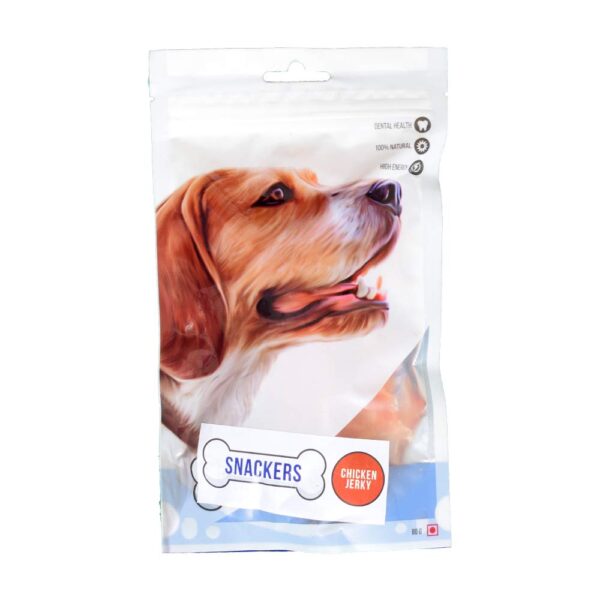
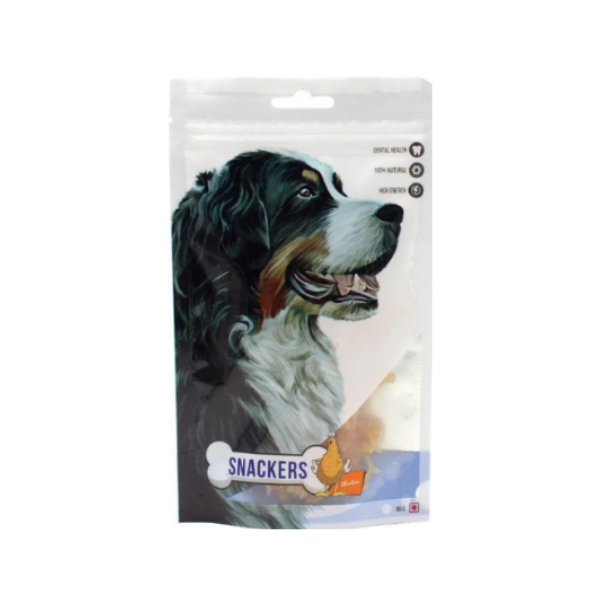
Snackers Chicken Slice Dog Treats, 80g
Original price was: ₹220.₹209Current price is: ₹209.1. Why Recall Training Matters
Recall deserves special attention. Huskies have a strong desire to run and shouldn’t be assumed to have reliable off-leash recall simply because they respond well at home. Practise recall using secure environments, long lines, high-value rewards, gradually increasing distractions and consistent cues. Even with training, unsecured off-leash exercise can remain risky for this breed.
10. Grooming & Shedding: What to Expect
Despite the enormous amount of fur, Huskies are relatively clean dogs. AKC describes Siberian Huskies as naturally clean, noting many require only occasional bathing. The bigger grooming challenge is shedding.
1. Brushing & Shedding Season
Brush your Husky at least weekly during normal periods, and more frequently when the undercoat is being shed (“blowing their coat,” which AKC notes happens roughly twice a year). Useful tools include a pin brush, metal comb and undercoat rake. Do Siberian Huskies shed a lot? Yes, expect substantial amounts of loose fur during heavy shedding periods. Regular brushing reduces loose hair around your home but won’t eliminate shedding.

Andis Medium Firm Pet Slicker Brush – Lime Green
Original price was: ₹1,050.₹966Current price is: ₹966.

Andis Dematting Rake Lime Green
Original price was: ₹2,050.₹1,907Current price is: ₹1,907.2. Bathing, Nails & Dental
Huskies generally don’t need frequent bathing unless dirty or medically advised otherwise. Check nails regularly and trim before they become excessively long. Regular tooth brushing with dog-safe toothpaste should be part of routine care, along with checking ears for redness, odour, discharge or scratching.
Recommended Oral hygiene products for your Husky:
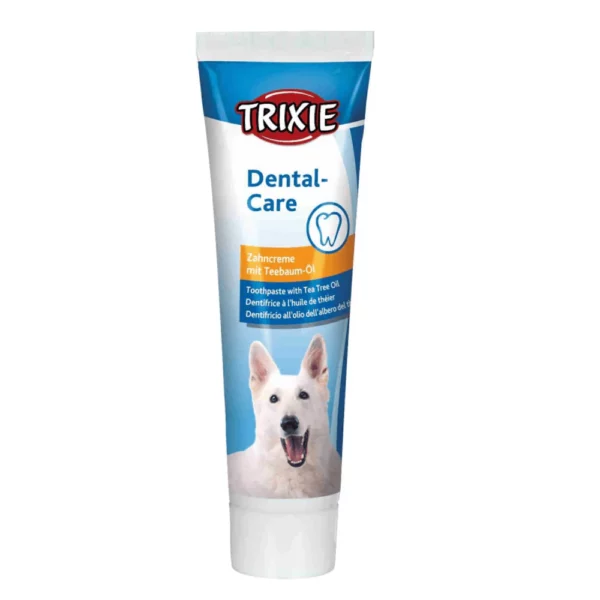
Trixie Dog Toothpaste With Tea Tree Oil 100 Gm
Original price was: ₹285.₹271Current price is: ₹271.
Basil Mouth Fresh Cinnamon Dental Spray – 130 ml
Original price was: ₹275.₹261Current price is: ₹261.
3. Should You Shave a Husky in Summer?
A Siberian Husky’s dense double coat consists of an insulating undercoat and outer guard hairs. Routine shaving shouldn’t be assumed to be the right response to summer weather — focus instead on regular brushing, removing loose undercoat, proper de-shedding, indoor cooling, appropriate exercise timing and access to water. If your Husky has severe matting, skin disease or another medical reason that may require clipping, consult a vet or experienced professional groomer.
4. Grooming Cost in India
Costs depend on city, salon, dog size, coat condition, de-shedding requirements and service package. Professional de-shedding can cost more than a standard bath because a Husky’s undercoat takes considerably more time to manage. A good home grooming kit can reduce how often professional de-shedding is needed — but never neglect the undercoat just because the outer coat looks clean.
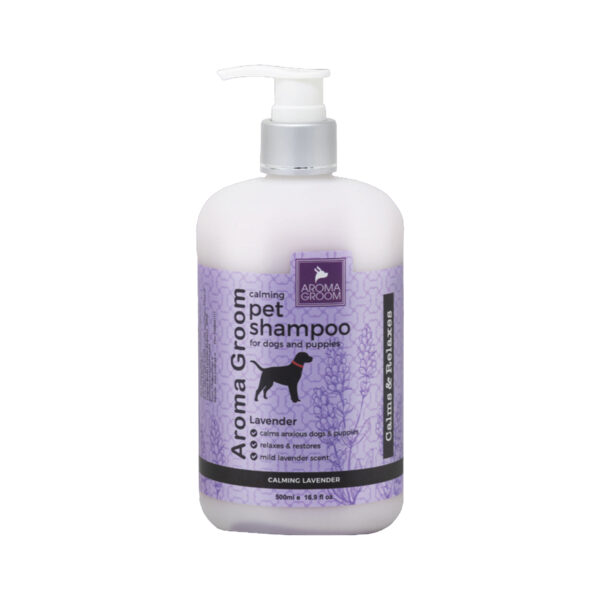
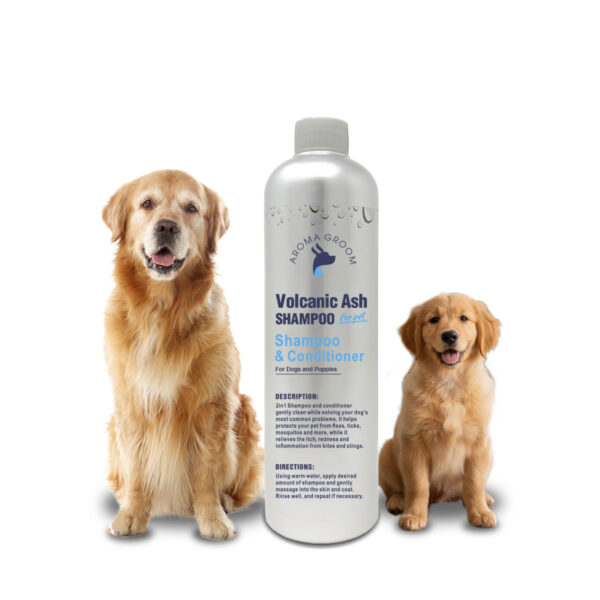
Aroma Groom Volcanic Ash 2 In 1 Shampoo And Condioner 500 ml
Original price was: ₹750.₹713Current price is: ₹713.
M-Pets Paw Cleaning Foam for Dogs – 150 ml
Original price was: ₹675.₹613Current price is: ₹613.

Petkin Ear Wipes – (30 Wipes)
Original price was: ₹650.₹598Current price is: ₹598.11. Feeding a Siberian Husky
1. Adult Husky Nutrition
There’s no single best food for every Siberian Husky — selection should depend on age, weight, activity, health, body condition, lifestyle and veterinary advice. AKC notes Siberian Huskies were historically bred for endurance and can maintain a healthy weight on comparatively modest food quantities relative to similarly sized breeds, while still needing appropriate high-quality nutrition. This makes portion control important, don’t increase food simply because your Husky seems active. Fresh water should always be available, particularly in warm conditions.
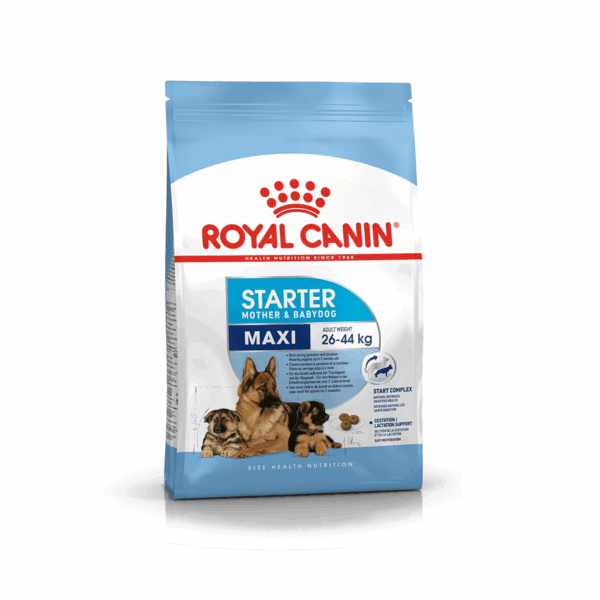
Recommended Husky Food options:


2. Puppy Feeding
Growing puppies need food appropriate for growth — not simply an adult formula in larger quantities. Your puppy’s feeding plan should consider age, current weight, growth, activity, body condition and veterinary recommendations. Follow the chosen puppy food’s feeding guidelines and adjust per your vet’s advice. The goal is healthy growth, not rapid size gain.
Recommended Puppy food:



12. Cost of Owning a Husky in India
1. Monthly Cost
The puppy price is only one part of Husky ownership. A current 2026 Indian cost guide estimates total monthly Husky expenses at approximately ₹9,000–₹17,500, depending on food, grooming, healthcare and climate-control needs.
| Expense | Approximate Monthly Budget |
| Food | ₹3,000–₹6,000 |
| Grooming | ₹800–₹2,500+ |
| Routine healthcare & parasite prevention | ₹700–₹2,000+ |
| Toys, treats & enrichment | ₹500–₹1,500+ |
| Training | Variable |
| Cooling / electricity | Highly variable |
| Typical Planning Budget | ₹9,000–₹17,500+ |
Cooling costs can become particularly significant in warm Indian cities. Budget for emergency veterinary treatment separately.
2. First-Year Cost
The first year is considerably more expensive, combining the puppy purchase with initial vaccinations, veterinary consultations, deworming, parasite prevention, puppy food, training, a harness and leash, bed, toys, grooming tools, professional grooming and climate-control expenses. A current India-focused 2026 estimate places the realistic first-year cost of a Siberian Husky at approximately ₹1.5 lakh–₹4 lakh+, depending heavily on breeder, city, and whether suitable cooling infrastructure already exists at home. This is why prospective owners should calculate long-term affordability rather than focusing solely on puppy price.
13. Husky Compatibility with Other Pets
1. With Other Dogs
Generally, Huskies are social dogs. Their history involved living and working in groups, and Royal Canin describes them as pack-oriented dogs that typically enjoy canine and human company. Individual temperament always varies, so proper introductions and socialisation remain important.
2. With Cats & Small Animals
Extra caution is required. Purina India notes that Siberian Huskies can have a strong predatory instinct, meaning supervision and careful management may be necessary around smaller animals. A puppy raised around another pet may behave differently from an adult Husky introduced later, no outcome should be assumed.
3. Can Siberian Huskies Be Left Alone?
Huskies are social dogs that tend to enjoy companionship. Long periods without sufficient exercise, enrichment or interaction can contribute to howling, destructive chewing, digging, escape attempts and restlessness. This breed isn’t ideal for a household where the dog will routinely spend most of the day alone. Appropriate exercise and mental enrichment help, but they don’t replace regular companionship.
14. Common Siberian Husky Health Problems
Siberian Huskies are generally considered a relatively healthy breed, but responsible owners should understand recognised health concerns.
Hip Dysplasia — Hip evaluation is one of the tests recommended by the Siberian Husky Club of America. Ask breeders whether the parents have undergone appropriate hip screening.
Eye Conditions — Eye examination by a veterinary ophthalmologist is another recommended screening area. Persistent redness, cloudiness, discharge, squinting or vision changes should be evaluated by a vet.
Inherited Neurological Conditions — The breed club also recommends genetic testing for Siberian Husky Shaking Puppy Syndrome Type 1 (SPS1) and Siberian Husky Polyneuropathy Type 1 (SHPN1). Not every Husky will develop these conditions — screening helps responsible breeding programmes reduce inherited risk.
15. How to Choose a Siberian Husky Puppy Responsibly
Don’t choose your Husky based only on blue eyes. Ask the breeder detailed questions and look for vaccination records, deworming records, clean living conditions, healthy active puppies, access to the mother where possible, parent health information, hip screening, eye examinations, relevant genetic testing, genuine pedigree documentation and early puppy socialisation.
Be cautious if a seller refuses to show where the puppy is raised, offers delivery without letting you meet the dogs, can’t provide vaccination information, can’t discuss parental health, markets unusual eye colour as proof of “quality,” pressures you to pay immediately, or can’t verify pedigree claims. Responsible breeding matters more than unusual markings.
16. Is a Siberian Husky Good for First-Time Dog Owners?
For most people, no — not one of the easiest first breeds. Purina India specifically categorises the breed as more suitable for experienced owners, highlighting its need for extra training and substantial daily exercise. First-time owners should be prepared for very high exercise requirements, independent behaviour, recall challenges, escape tendencies, heavy shedding, howling, significant mental stimulation, careful heat management, and high ongoing costs in India. A highly committed first-time owner can succeed, but this breed requires substantially more planning than many companion dogs.
17. What Should You Buy Before Bringing Home a Husky Puppy?
Prepare before your puppy arrives:
- Appropriate puppy food
- Food and water bowls
- Secure collar and identification
- Strong leash
- Well-fitted harness
- Comfortable bed
- Crate where appropriate
- Durable chew toys
- Interactive toys and puzzle feeders
- Training treats
- Pin brush, metal comb, undercoat rake
- Dog shampoo
- Nail clippers
- Dog toothbrush and toothpaste
For Indian households, the most important preparation may be ensuring your home can provide a consistently cool and safe environment during extreme summer weather.
18. Final Verdict: Is a Siberian Husky Right for Your Indian Home?
The Siberian Husky is an extraordinary working breed. Its athleticism, friendly personality, endurance, striking appearance and unmistakable howl explain why so many people are drawn to it. But appearance should never be the reason to choose a dog whose fundamental needs don’t match your lifestyle.
Huskies need substantial daily exercise, secure handling, mental stimulation, consistent training, regular coat maintenance and plenty of companionship. For Indian pet parents, there’s an additional responsibility: climate. The Siberian Husky was developed to work in extremely cold conditions, and India’s heat and humidity can create serious welfare challenges if you’re not prepared.
Before bringing home a Siberian Husky puppy in India, make sure you can genuinely provide a reliably cool living environment, safe exercise during cooler hours, significant daily physical activity, mental stimulation, secure leash and fencing arrangements, consistent training, regular grooming, appropriate nutrition, preventive veterinary care, and long-term companionship.
19. Frequently Asked Questions
1. What is the Siberian Husky price in India
The Siberian Husky dog price in India in 2026 is approximately ₹40,000–₹1,50,000+, depending on breeder, pedigree, registration, bloodline and city.
2. What is the Siberian Husky puppy price in India?
Many puppies from established breeders fall around ₹50,000–₹95,000, while premium show-quality and imported dogs can cost considerably more.
3. How much does a Husky cost per month in India?
A current 2026 guide estimates approximately ₹9,000–₹17,500 per month, although climate-control costs, premium food, training and medical care can push expenses higher.
4. Can Huskies live in apartments?
Yes, but it’s demanding. Huskies need substantial daily exercise, mental stimulation and secure outdoor activity regardless of living space.
5. Are Siberian Huskies aggressive?
The breed is generally known for being friendly and social rather than naturally aggressive. Individual behaviour still depends on genetics, socialisation, training and experience.
6. Is a Siberian Husky good for first-time owners?
Huskies are generally better suited to experienced or exceptionally well-prepared owners because of their exercise needs, independence, running instinct and environmental requirements.
7. What is the lifespan of a Siberian Husky?
The typical Siberian Husky lifespan is approximately 12–15 years.