





















As the temperature drops between December and February, the chill in the air isn’t just hard on us. It’s hard on our pets too. While we love bundling up in warm blankets and sweaters, our dogs and cats feel the cold just as much, and sometimes more, depending on their breed, age, and coat type. As responsible pet parents, it’s our job to make sure our furry companions stay safe, warm, and healthy through the colder months.
Here are essential winter care tips to help your dog sail through the season with ease.
Table of Contents
- Keep Them Active Indoors
- Go Out When the Sun Shines
- Wrap Your Pet Up in Warm Clothing
- Change the Drinking Water Frequently
- Prepare a Warm and Cozy Bedding
- Moisturize Your Pet’s Skin and Coat
- Schedule Health Check-Ups During Winter
- Signs of Frostbite and Hypothermia in Dogs
- Winter Hazards to Watch Out For
- Does Your Dog’s Breed Need Extra Winter Care?
- Frequently Asked Questions
1. Keep Them Active Indoors

Some dogs are reluctant to venture outdoors once the temperature drops, and that’s okay never force a hesitant pet out into the cold. Instead, keep them active indoors with interactive toys and short play sessions. Movement helps generate body heat naturally, and it keeps your dog mentally stimulated even when outdoor walks are shorter than usual.
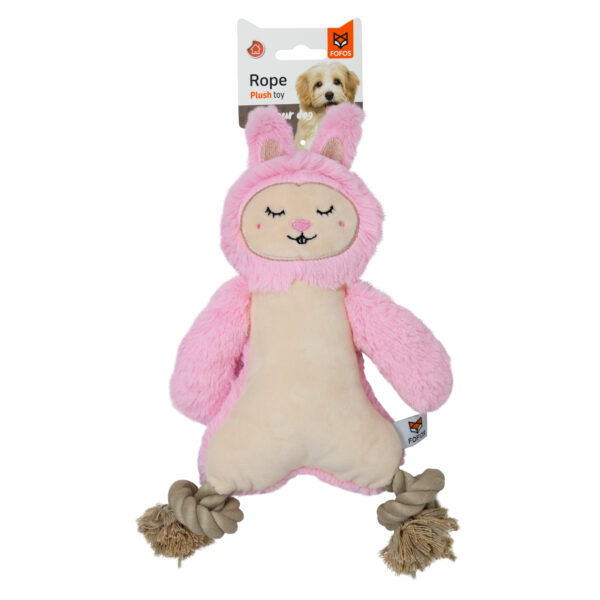
FOFOS Ropeleg plush Rabbit Toy for Dogs
Original price was: ₹520.₹478Current price is: ₹478.
FOFOS Flamingo Flick Tube Catnip Toy for Cats
Original price was: ₹235.₹223Current price is: ₹223.
FOFOS Retractable Worm Teaser Toy with Catnip for Cats
Original price was: ₹330.₹314Current price is: ₹314.2. Go Out When the Sun Shines

If your dog does enjoy the outdoors, time your walks wisely. Take them out during the late morning or early afternoon, when the sun is out and temperatures are at their mildest. Avoid early mornings and late evenings, when the cold is most intense. A bit of sunshine also gives your dog a healthy dose of natural Vitamin D.



3. Wrap Your Pet Up in Warm Clothing

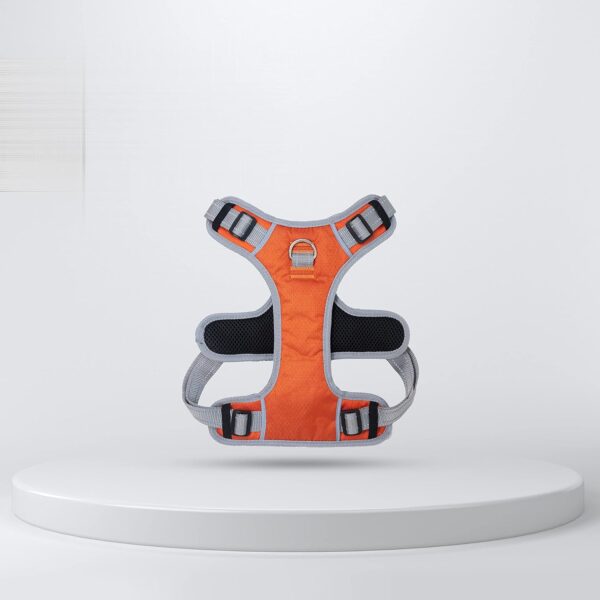
Just like we reach for jackets and sweaters, dogs. Especially short-coated and smaller breeds benefit from proper winter clothing. A well-fitted dog sweater, jacket, or coat traps body heat and protects against wind chill during walks. Choose breathable, comfortable fabric that doesn’t restrict movement.


4. Change the Drinking Water Frequently

Dogs tend to drink less water in winter, which means water left in the bowl can turn cold or even icy making it unappealing. Refresh your dog’s water every 2–3 hours and serve it at room temperature to encourage regular hydration. Dehydration can sneak up in winter precisely because pets don’t feel as thirsty.


5. Prepare a Warm and Cozy Bedding

Don’t let your dog sleep directly on a cold floor during winter prolonged contact with cold surfaces can lead to illness, joint stiffness, and discomfort. Invest in a proper pet bed or thick blanket, and place it in a warm, familiar spot where your dog already feels comfortable, ideally away from drafts and windows.
6. Moisturize Your Pet’s Skin and Coat
Cold, dry winter air can leave your dog’s skin flaky, itchy, and irritated. Combat this by adding a skin and coat supplement to their diet, or using a pet-safe moisturizing balm. Coconut oil is a natural, gentle option that helps keep skin and coat healthy through the dry season.
7. Schedule Health Check-Ups During Winter

Cold weather can be especially tough on dogs prone to arthritis or joint pain stiffness tends to worsen in low temperatures. Keep an eye on your dog’s mobility and exercise routine, and consult your veterinarian promptly if you notice limping, reluctance to move, or signs of joint discomfort. Winter is also a good time for a general wellness check, since some health issues are easier to miss when dogs are less active outdoors.
8. Signs of Frostbite and Hypothermia in Dogs
Beyond general discomfort, extreme cold can pose real health risks. Watch for these warning signs:
Hypothermia:
- Persistent shivering that doesn’t stop
- Lethargy or unusual weakness
- Pale or gray gums
- Slow, shallow breathing
Frostbite:
- Pale, gray, or bluish skin
- Skin that feels unusually cold or hard to the touch
- Swelling or blistering as the area warms
If you notice any of these signs, warm your dog gradually with blankets and contact your veterinarian immediately. Don’t rub or massage the affected area.
9. Winter Hazards to Watch Out For
- Antifreeze and ice-melt chemicals: These can be toxic if licked off paws or spilled surfaces. Wipe your dog’s paws after walks and store chemicals out of reach.
- Dry, cracked paw pads: Cold pavement and salt/ice-melt can dry out paw pads. A pet-safe paw balm helps protect and heal them.
- Static shock and dry coat: Low humidity can cause static buildup in fur — a light coat conditioner or moisturizing spray can help.
10. Does Your Dog’s Breed Need Extra Winter Care?
Not all dogs feel the cold the same way:
- Short-coated / small breeds (Pugs, Dachshunds, Chihuahuas, Dobermans): More vulnerable to cold — prioritize sweaters, indoor time, and warm bedding.
- Double-coated / cold-climate breeds (Huskies, Golden Retrievers, German Shepherds): Naturally more cold-tolerant, but still need dry, draft-free bedding and fresh water.
- Puppies and senior dogs: Both groups regulate body temperature less efficiently and need extra warmth and monitoring regardless of breed.
11. Frequently Asked Questions
1. What temperature is too cold for dogs?
Most dogs start feeling uncomfortable below 7°C (45°F), and temperatures under 0°C (32°F) can be risky for small, short-coated, senior, or young dogs without proper protection.
2. Do dogs in India need sweaters or jackets in winter?
Yes, especially short-coated, small, senior, or puppy breeds in regions that get genuinely cold (North India, hill stations). Double-coated breeds may need less, but a light layer still helps during early morning or late evening walks.
3. How often should I change my dog’s drinking water in winter?
Every 2–3 hours is ideal, since water left out can turn cold and discourage your dog from drinking enough, which raises the risk of dehydration.
4. What are the signs of frostbite or hypothermia in dogs?
Look for persistent shivering, lethargy, pale or gray gums, and — for frostbite specifically — pale, cold, or hardened skin on the ears, paws, or tail. Seek veterinary care immediately if you notice these signs.
5. Is coconut oil safe to use on a dog’s skin and coat in winter?
Yes, coconut oil is generally safe and can help moisturize dry winter skin and coat when used in small amounts. For persistent dryness or irritation, consult your vet or use a dedicated skin and coat supplement.