
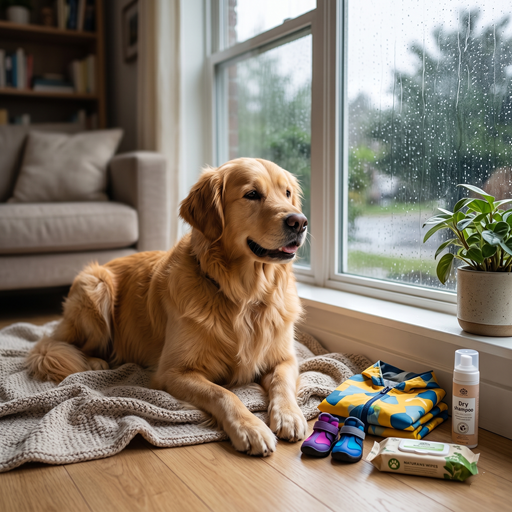
The arrival of monsoon brings relief from the summer heat, but it also introduces several challenges for pet parents. Wet fur, muddy paws, increased humidity, fungal infections, ticks, and digestive issues are common concerns during the rainy season.
With a little extra care and preparation, you can ensure your dog stays healthy, comfortable, and active throughout the monsoon.
1. Protect Your Dog During Walks
Rainwater often contains bacteria, parasites, and pollutants that can affect your dog’s skin and paws. Prolonged exposure to wet conditions can lead to fungal infections, itching, and discomfort.
Using a dog raincoat can help keep your pet dry during outdoor walks while reducing the amount of cleaning required afterward. Waterproof dog shoes can also protect sensitive paw pads from muddy roads, stagnant water, and sharp debris hidden beneath puddles.
Explore:
Dog Raincoats
Dog Shoes & Boots
2. Dry Your Dog Thoroughly After Every Walk
Even if your dog gets only slightly wet, moisture trapped within the coat can become a breeding ground for bacteria and fungi.
After returning home:
- Towel dry your dog immediately.
- Pay special attention to paws, ears, belly, and skin folds.
- Use a pet-safe dryer on a low setting for long-haired breeds.
- Ensure the coat is completely dry before your dog rests indoors.
3. Keep Paws Clean and Hygienic
Dogs often walk through muddy roads and contaminated puddles during monsoon. Cleaning their paws helps prevent infections and keeps your home cleaner.
Pet wipes are a quick and convenient solution for removing dirt, moisture, and germs after every outing.
4. Bathe Less Frequently, Clean More Smartly
Frequent bathing may strip natural oils from your dog’s skin, causing dryness and irritation. Instead of regular baths after every rainy walk, consider using a dry shampoo formulated for pets.
A quality dry shampoo helps:
- Remove odor
- Absorb excess moisture
- Freshen the coat
- Extend the time between baths
5. Watch Out for Ticks and Fleas
The rainy season creates ideal conditions for parasites such as ticks and fleas. These pests can transmit diseases and cause severe skin irritation.
Regularly inspect:
- Behind the ears
- Under the collar
- Between the toes
- Around the tail
Consult your veterinarian regarding preventive treatments and maintain a regular grooming schedule.
6. Maintain a Clean Sleeping Area
Humidity can cause bedding to retain moisture and develop unpleasant odors or mold.
To maintain hygiene:
- Wash bedding regularly.
- Keep sleeping areas well ventilated.
- Use moisture-resistant mats if needed.
- Allow blankets and cushions to dry in sunlight whenever possible.
7. Support Immunity Through Nutrition
Seasonal changes can affect digestion and immunity. A balanced diet rich in quality protein, essential vitamins, and adequate hydration can help your dog stay healthy throughout the monsoon.
Always provide clean drinking water and avoid allowing your dog to drink from puddles or stagnant water outdoors.
8. Pay Extra Attention to Ear Care
Dogs with floppy ears are particularly susceptible to ear infections during humid weather.
Signs to watch for include:
- Head shaking
- Scratching at the ears
- Foul odor
- Redness or discharge
Dry ears carefully after walks and consult your veterinarian if symptoms persist.
9. Don’t Skip Exercise
Rainy days often reduce outdoor activity, but exercise remains important for your dog’s physical and mental well-being.
Consider:
- Indoor fetch sessions
- Puzzle toys
- Obedience training
- Nose-work games
- Interactive enrichment activities
Keeping your dog mentally stimulated helps prevent boredom and destructive behavior.
Final Thoughts
Monsoon can be an enjoyable season for dogs when proper precautions are taken. Keeping your pet dry, maintaining hygiene, protecting paws, and monitoring skin health can significantly reduce seasonal health risks.
With the right monsoon essentials—including raincoats, shoes, pet wipes, and dry shampoo—you can ensure every rainy-day adventure remains safe and enjoyable for your furry companion.